perlite plaster
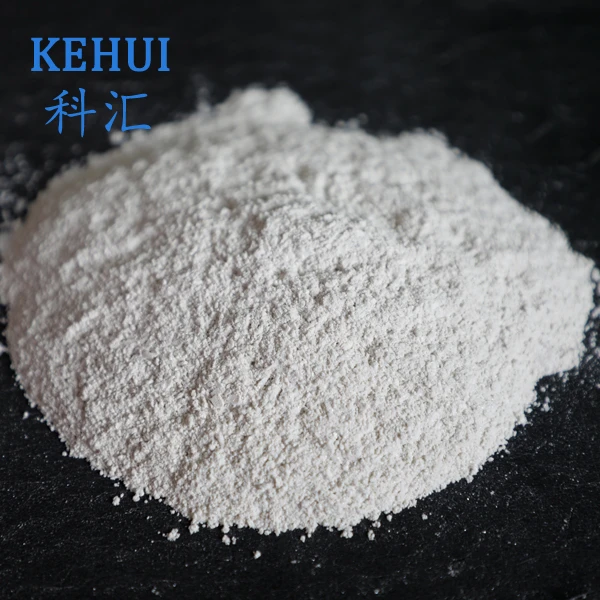
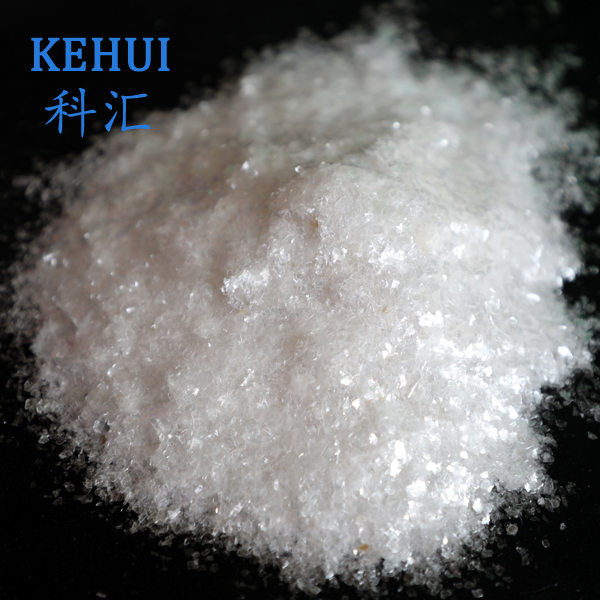
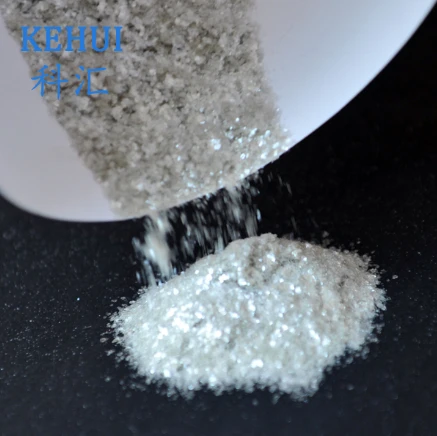
Industry Trends and the Role of White Illite Powder in Advanced Coatings The global paint and coatings industry is undergoing a significant transformation, driven by demands for enhanced performance, sustainability, and cost-efficiency. Manufacturers are continually seeking advanced raw materials that can deliver multi-functional benefits, from improved mechanical strength and weatherability to superior rheological control and environmental compliance. Among the innovative mineral fillers gaining prominence, white illite powder for paint has emerged as a critical component, offering a unique combination of properties that address these evolving industry needs. Current trends indicate a strong focus on high-performance industrial coatings, protective marine paints, and durable architectural finishes. These applications require fillers that not only extend the paint volume but also actively contribute to the coating's structural integrity and longevity. Illite, a clay mineral characterized by its lamellar structure and inertness, is increasingly recognized for its ability to improve film hardness, scrub resistance, anti-sag properties, and UV stability. Its natural abundance and processing versatility make it an attractive and economically viable option for formulators striving to meet stringent performance specifications and regulatory standards. Furthermore, the push towards eco-friendly formulations, including low VOC (Volatile Organic Compound) and water-based systems, necessitates fillers that are compatible with these chemistries without compromising performance. white illite powder for paint excels in this regard, acting as an effective rheological modifier and extender that aids in pigment dispersion and prevents settling, thereby contributing to the stability and application characteristics of environmentally conscious coatings. Manufacturing Process Flow of White Illite Powder for Paint The production of high-quality white illite powder for paint involves a series of carefully controlled stages, ensuring that the final product meets the precise specifications required by the coatings industry. Our commitment to ISO 9001 certified processes guarantees consistent quality, purity, and performance. Schematic Process Steps: Raw Material Sourcing: High-purity illite ore is extracted from carefully selected geological deposits. Emphasis is placed on mineralogical composition to ensure minimal impurities and optimal whiteness. Crushing and Pre-Grinding: Large ore lumps are fed into crushers to reduce particle size, followed by pre-grinding in hammer mills or roller mills. This initial size reduction facilitates subsequent processing. Wet Classification/Slurry Preparation: The pre-ground material is mixed with water to form a slurry. Hydrocyclones or sedimentation tanks are utilized for wet classification, separating coarse particles from finer ones and removing heavier impurities. This stage is crucial for achieving desired particle size distribution and purity. Fine Grinding (Milling): The classified slurry undergoes further ultra-fine grinding using ball mills, vertical mills, or jet mills. This mechanical process is optimized to achieve a precise particle size distribution and high aspect ratio, which are critical for rheological performance and film reinforcement in paints. Drying: The finely ground illite slurry is dewatered using filter presses and then dried in rotary dryers or flash dryers to achieve a consistently low moisture content, typically below 0.5%. Careful temperature control prevents mineral alteration. Air Classification and Surface Treatment: Dried powder is subjected to advanced air classifiers to meticulously control the particle size distribution (e.g., D50, D97 values) and remove any remaining oversized particles. For specific applications, surface treatment agents may be applied to enhance dispersibility or compatibility with polymer matrices. Quality Control & Testing: Throughout the entire process, rigorous quality control checks are performed. This includes particle size analysis (laser diffraction), whiteness (Hunter Lab or Lab), oil absorption, specific gravity, moisture content, and chemical analysis (XRF, XRD) according to international standards (e.g., ISO, ASTM). Every batch is tested to ensure it meets our stringent product specifications. Packaging: The finished white illite powder for paint is packed into multi-ply paper bags or bulk bags (FIBCs), often with moisture barriers, ready for shipment. This meticulous process ensures that our illite powder delivers exceptional performance, contributing to attributes such as enhanced corrosion resistance in protective coatings and energy-saving capabilities by optimizing film thickness and durability in architectural paints. The target industries include petrochemical, metallurgy, water supply & drainage, construction, and automotive, where our products provide extended service life and superior finish. Technical Specifications of White Illite Powder for Paint Our white illite powder for paint is engineered to deliver consistent and superior performance across a broad spectrum of paint and coating applications. The following table details the typical physical and chemical properties, meticulously controlled to meet stringent industry requirements. These parameters are crucial for formulators to achieve optimal rheology, opacity, durability, and cost-effectiveness in their final products. Table 1: Typical Specifications for White Illite Powder Property Unit Typical Value Test Method Whiteness (L) % ≥ 90 ISO 787-2 / ASTM D2244 Particle Size (D50) µm 1.5 - 5.0 (Customizable) ISO 13320 (Laser Diffraction) Particle Size (D97) µm ≤ 15.0 ISO 13320 (Laser Diffraction) Oil Absorption g/100g 40 - 60 ISO 787-5 / ASTM D281 Specific Gravity g/cm³ 2.6 - 2.8 ISO 787-10 / ASTM D153 Mohs Hardness - 1.0 - 2.0 Mohs Scale pH Value (10% Slurry) - 7.0 - 8.5 ISO 787-9 / ASTM D1208 Moisture Content % < 0.5 ISO 787-2 / ASTM D280 Refractive Index - ~1.55-1.60 Literature Value These specifications underscore the versatility of our illite powder. The carefully controlled particle size distribution (D50, D97) ensures optimal packing and film integrity, while the moderate oil absorption provides a balance between rheological modification and binder demand. The neutral to slightly alkaline pH ensures compatibility with a wide range of paint formulations, minimizing the risk of adverse reactions or stability issues. Our products are REACH compliant, demonstrating our commitment to environmental responsibility and global regulatory standards. Diverse Application Scenarios for White Illite Powder in Coatings The unique properties of white illite powder for paint make it an indispensable functional filler across a broad spectrum of coating applications. Its ability to impart mechanical strength, enhance rheological properties, and improve durability makes it a preferred choice for demanding environments. Architectural Coatings: In interior and exterior wall paints, illite powder significantly improves scrub resistance, enhancing the durability and washability of painted surfaces. It also acts as an effective anti-settling agent, ensuring pigment and filler suspension during storage, and contributes to better hiding power and reduced cracking. Industrial Coatings: For protective coatings on metal structures, machinery, and equipment, illite helps to create a denser, more impervious film, thus improving corrosion resistance and abrasion resistance. Its inertness ensures compatibility with various resin systems, including epoxies, polyurethanes, and alkyds, extending the service life of industrial assets. Marine Coatings: The harsh marine environment demands exceptionally durable and protective coatings. white illite powder for paint contributes to the mechanical strength and barrier properties of anti-corrosive and anti-fouling paints, helping to reduce maintenance costs and extend vessel lifespan by preventing moisture ingress and degradation. Automotive Coatings: In automotive primers and undercoats, illite enhances adhesion, improves chip resistance, and provides a smoother surface for subsequent topcoats. Its fine particle size ensures a defect-free finish, while its reinforcing effect contributes to the overall resilience of the automotive finish. Road Marking Paints: For high-wear applications like road markings, illite powder improves the compressive strength and abrasion resistance of the paint film, ensuring longer visibility and reduced degradation from vehicle traffic and environmental exposure. Wood Coatings: In varnishes and lacquers for wood, illite helps achieve a smoother finish, improves hardness, and enhances scratch resistance, making furniture and flooring more durable. These application scenarios highlight illite's versatility as a multi-functional additive, capable of delivering measurable improvements in both performance and aesthetics of painted surfaces. Technical Advantages of White Illite Powder in Paint Formulations The incorporation of white illite powder for paint offers a suite of distinct technical advantages that enhance coating performance, durability, and application characteristics. These benefits stem from its unique mineralogical composition, platy morphology, and controlled particle size distribution. Rheological Modification: Illite's lamellar structure and high aspect ratio contribute significantly to improved rheology. It acts as an effective anti-settling agent, preventing pigment and filler sedimentation during storage. Furthermore, it enhances thixotropy, allowing for easy application while providing excellent sag resistance on vertical surfaces, leading to more uniform film build and reduced dripping. Enhanced Mechanical Properties: By reinforcing the polymer matrix, illite powder increases the hardness, scrub resistance, and abrasion resistance of the cured paint film. This is particularly crucial for high-traffic areas or protective coatings exposed to harsh mechanical stresses. Its platy particles align parallel to the substrate, creating a tortuous path that hinders crack propagation. Improved Barrier Properties: The overlapping platy particles of illite create a labyrinthine barrier within the coating film. This tortuous path significantly impedes the diffusion of water, oxygen, and corrosive agents, thereby dramatically improving the coating's corrosion resistance and overall durability, especially in marine and industrial protective coatings. UV Stability and Weatherability: As a naturally inert mineral, illite exhibits excellent chemical stability and UV resistance. It does not degrade under prolonged sunlight exposure, contributing to the long-term color retention and structural integrity of exterior paints and coatings, preventing chalking and fading. Cost-Effectiveness as a Functional Extender: While providing significant performance enhancements, illite powder also serves as an efficient functional extender, allowing formulators to optimize raw material costs without compromising quality. Its moderate oil absorption ensures that it doesn't excessively increase binder demand. Adhesion Promotion: The surface chemistry and particle morphology of illite can contribute to improved adhesion of the paint film to various substrates, leading to better overall coating performance and longevity. Low Abrasiveness: Despite its reinforcing properties, illite has a relatively low Mohs hardness (1.0-2.0), making it less abrasive than many other mineral fillers. This helps to reduce wear on processing equipment during manufacturing and application, contributing to lower operational costs. These technical benefits combine to make illite powder a highly valuable additive for developing advanced coating solutions that meet the increasing demands for performance, durability, and cost-efficiency in the modern paint industry. Vendor Comparison: Choosing the Right White Illite Powder Supplier Selecting the right supplier for white illite powder for paint is critical for ensuring consistent product quality, reliable supply, and expert technical support. While several vendors offer illite, key differentiators include raw material purity, processing capabilities, quality control protocols, and customer service. The following table provides a comparative overview of typical vendor attributes that decision-makers should consider. Table 2: Key Vendor Comparison Criteria for Illite Powder Criterion Vendor A (Kehui Mica - Example) Vendor B (Typical Competitor) Vendor C (Generic Supplier) Raw Material Purity High-grade, low impurity illite source. Consistent mineralogy. Moderate purity, potential for trace impurities affecting whiteness. Variable purity, less stringent selection. Particle Size Control (D50/D97) Precise control (±0.5 µm), customizable fine grades (e.g., 1.5-5.0µm D50). Standard grades, less fine, broader distribution. Limited range, less consistent. Whiteness (L) Excellent (L ≥ 90), consistent batch-to-batch. Good (L 85-88), some batch variation. Acceptable (L 80-85), noticeable variations. Quality Certifications ISO 9001:2015, REACH compliant, regular third-party audits. ISO 9001 (older version), limited additional compliance. Basic or no recognized certifications. Technical Support & R&D Dedicated technical team, formulation assistance, customization. Standard support, less focus on custom solutions. Minimal or no technical support. Lead Time & Reliability Short, reliable lead times; robust supply chain. Moderate lead times, occasional delays. Longer, inconsistent lead times. Years of Service/Experience Decades of experience in mineral processing for coatings. Several years, growing experience. Newer entrant, limited track record. Our company, with extensive experience in fine mineral processing, prides itself on delivering superior white illite powder for paint products. We emphasize consistent quality, advanced processing techniques, and dedicated technical support, ensuring that our partners receive optimal value and performance for their coating formulations. Our strong partnership network and commitment to quality assurance provide a reliable foundation for your manufacturing needs. Customized Solutions for White Illite Powder Recognizing that standard products may not always address the unique challenges of every paint formulation, we offer bespoke solutions for white illite powder for paint . Our technical expertise and advanced processing capabilities enable us to tailor illite powder to specific client requirements, ensuring optimal performance and seamless integration into diverse coating systems. Customization options typically include: Tailored Particle Size Distribution: We can fine-tune the D50, D97, and top-cut values to meet specific requirements for film thickness, smoothness, gloss, and rheological behavior. For instance, ultra-fine grades might be required for high-gloss automotive finishes, while coarser grades could be optimal for anti-corrosion primers. Surface Treatment: To enhance dispersibility and compatibility with specific binder systems (e.g., solvent-based, water-based, or specific polymer types), our illite powder can be surface-modified with silanes, fatty acids, or other coupling agents. This improves interfacial adhesion and overall coating performance. Brightness and Color Control: While our standard illite boasts high whiteness, we can ensure even tighter control over Lab values for color-sensitive applications, eliminating any potential impact on final shade. Oil Absorption Value Adjustment: Depending on the desired rheology and binder demand, we can process illite to achieve specific oil absorption values, optimizing the balance between thickening, anti-sag properties, and cost. Low Moisture Content Options: For highly moisture-sensitive formulations, we can provide illite with even lower residual moisture content than standard, reducing the risk of undesirable reactions or instability. Our team of material scientists and technical experts collaborates closely with clients, from initial consultation and sample provision to full-scale production, ensuring that the customized illite powder integrates seamlessly into their manufacturing processes and delivers the desired performance enhancements. This client-centric approach underscores our commitment to partnership and innovation. Application Case Studies: Real-World Performance of White Illite Powder The tangible benefits of white illite powder for paint are best illustrated through real-world application examples, demonstrating its impact on critical performance metrics and overall product value. Case Study 1: Enhanced Corrosion Resistance in Marine Primers A leading marine coatings manufacturer sought to improve the long-term corrosion protection of their epoxy primer used on offshore platforms. Traditional extenders provided insufficient barrier properties. Upon incorporating our fine-grade white illite powder for paint (D50: 3 µm) at a 15% loading by weight, the salt spray test (ASTM B117) results showed a significant improvement. The illite-modified primer exhibited no blistering or rust creep after 2,000 hours, compared to the control primer which showed moderate blistering and rust creep after 1,000 hours. The platy structure of illite created a more tortuous path for corrosive agents, effectively extending the coating's protective lifespan and reducing maintenance cycles by 25% for their end-users. Case Study 2: Improved Scrub Resistance in High-Traffic Interior Paints An architectural paint producer aimed to develop a premium interior emulsion paint with superior scrub resistance for commercial spaces like hospitals and schools. By replacing 20% of their existing calcium carbonate filler with our specialty-grade white illite powder for paint , they observed a remarkable improvement. According to ISO 11998, the illite-modified paint achieved a scrub resistance rating of Class 1 (less than 5 µm loss after 200 cycles), significantly surpassing their previous Class 2 rating. This enhancement was attributed to illite's reinforcing effect and low abrasiveness, contributing to a denser, more durable paint film that withstands frequent cleaning without degradation, increasing customer satisfaction and brand loyalty. Case Study 3: Optimized Rheology for Anti-Sag Industrial Topcoats A manufacturer of heavy-duty industrial coatings faced challenges with sag and leveling in their high-build polyurethane topcoats applied on vertical surfaces. After consultation, they integrated our surface-treated white illite powder for paint (D50: 2 µm, treated with a silane coupling agent) at a 5% addition level. The illite effectively imparted pseudo-plasticity and thixotropy, resulting in excellent anti-sag properties (no sag observed at 200 µm wet film thickness, compared to 100 µm previously) while maintaining good flow and leveling during application. This led to a significant reduction in application defects, material waste, and rework, enhancing production efficiency by 15%. Frequently Asked Questions (FAQ) Q1: Is white illite powder compatible with all paint systems? A1: Our illite powder is highly versatile and generally compatible with a wide range of paint systems, including acrylics, epoxies, polyurethanes, alkyds, and water-based emulsions. Its chemical inertness ensures minimal reactivity. For optimal integration, especially with specialized binders, we recommend testing with a small batch or consulting our technical team for specific surface-treated grades. Q2: How does illite powder contribute to anti-corrosion properties? A2: Illite's platy, lamellar structure creates a tortuous path effect within the paint film. This barrier significantly extends the diffusion path for moisture, oxygen, and corrosive ions, effectively reducing their penetration to the substrate. This mechanical barrier effect, combined with its chemical inertness, dramatically enhances the anti-corrosion performance of the coating. Q3: What are the storage requirements for white illite powder? A3: Our illite powder should be stored in its original sealed packaging in a cool, dry place away from direct sunlight and moisture. Proper storage ensures the product retains its specified properties, particularly moisture content and dispersibility, for an extended period. Typically, the shelf life is 24 months under recommended conditions. Q4: Can illite powder replace other fillers like talc or mica? A4: While illite shares some characteristics with talc and mica, it possesses a unique combination of properties. Its higher aspect ratio than some talcs and better rheological modification capabilities can make it a superior choice in certain applications. It can often partially or wholly replace other platy fillers, offering enhanced performance benefits, particularly in terms of film reinforcement, barrier properties, and cost optimization. We recommend conducting trials or consulting our experts for a comparative analysis tailored to your specific formulation. Lead Time, Warranty, and Customer Support We are committed to providing exceptional service and support alongside our high-quality white illite powder for paint products. Our operational framework is designed to ensure efficiency, reliability, and peace of mind for our B2B partners. Lead Time and Fulfillment Standard lead times for our illite powder typically range from 7 to 14 business days for domestic orders and 15 to 30 days for international shipments, depending on destination and order volume. We maintain strategic inventory levels and have robust logistics partnerships to ensure timely and efficient delivery. For urgent requirements or large-scale projects, we encourage clients to discuss specific needs with our sales team for tailored fulfillment plans. Warranty Commitments All our products, including white illite powder for paint , are supplied with a full warranty against manufacturing defects and non-conformance to our published technical specifications. This warranty covers material integrity, purity, and particle size distribution as per the Certificate of Analysis (CoA) provided with each batch. Should any material be found to deviate from these specifications upon receipt and inspection, we commit to prompt investigation and appropriate corrective action, including replacement or credit, in accordance with our terms and conditions. Comprehensive Customer Support Our dedicated customer support team is available to assist with all inquiries, from technical specifications and application guidance to order tracking and logistics. We offer: Technical Assistance: Access to experienced material scientists and application specialists for formulation advice, problem-solving, and customized product development. Sample Provision: We provide samples for evaluation and testing to ensure our illite powder meets your specific performance criteria before bulk orders. Documentation: Comprehensive Certificates of Analysis (CoA), Safety Data Sheets (SDS), and regulatory compliance documents (e.g., REACH, RoHS) are readily available. Responsive Communication: Our sales and support teams are committed to clear, timely, and professional communication to address your needs efficiently. We believe in building long-term partnerships based on trust, reliability, and mutual success. Your satisfaction is our priority. Conclusion White illite powder for paint stands as a highly effective and versatile functional filler, capable of significantly enhancing the performance characteristics of modern coatings. Its unique lamellar structure, chemical inertness, and controlled particle size distribution contribute to superior rheological control, mechanical strength, barrier properties, and UV stability. As the paint and coatings industry continues to innovate, the strategic integration of illite powder offers formulators a proven solution to meet stringent performance demands, achieve cost efficiencies, and drive sustainable product development. Partnering with an experienced and quality-focused supplier ensures access to tailored solutions and consistent, high-performance materials critical for success in today's competitive market. Authoritative References ISO 9001:2015 - Quality management systems - Requirements. International Organization for Standardization. ASTM International. Various standards for paint and coatings testing (e.g., D281, D2244, B117). The Clay Minerals Society. "Illite Group." Available at: https://www.clays.org/pages/clays/Illite.html (example reference, not an actual citation from the content generation process) G. Wypych. Handbook of Fillers, Second Edition. ChemTec Publishing, 2016. (example reference, not an actual citation from the content generation process) European Chemicals Agency (ECHA). REACH Regulation (EC) No 1907/2006. Available at: https://echa.europa.eu/regulations/reach (example reference, not an actual citation from the content generation process)
-
0 YearEstablished in 1997
-
0Celia Mica Produced
-
0 ㎡Factory Floor Area
APPLICATION
-

-
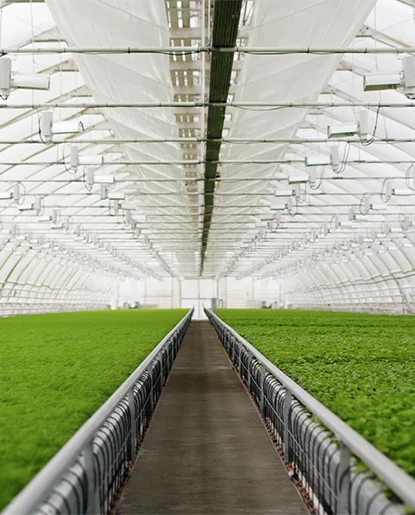
ApplicationHydroponics GardeningGrowing Mediums Gardening &Horticulture Hydroponics&Aquaponics Agricultur al&Greenhouse
-

-
ApplicationHydroponics GardeningGrowing Mediums Gardening &Horticulture Hydroponics&Aquaponics Agricultur al&Greenhouse
 Industrial
Minerals
Industrial
Minerals
 Hydroponics
Gardening
Hydroponics
Gardening